
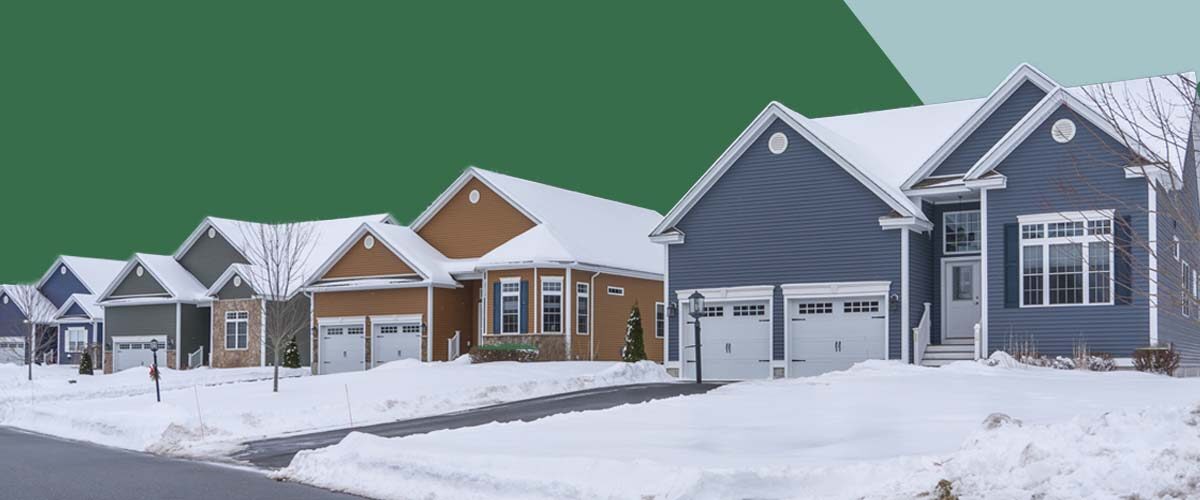
Radon is a potentially lethal gas with many severe side effects. Since it is completely odorless, colorless and tasteless, it’s impossible to detect without testing. In winter, our families spend more time indoors, making it a crucial time to check radon levels to prevent harmful exposure. The Danger of Radon In addition to being hard…
-
The Hidden Threat in Classrooms: How Radon Affects Indoor Air Quality in Schools
Whether you’re a school administrator, preschool principal or day care owner, you do everything possible to protect the children in your care. But there may be an invisible threat affecting both your students and staff. According to the U.S. Environmental Protection Agency (EPA), one in five schools nationwide has at least one room with radon levels above…
-
The Invisible Cause: How Radon Gas Contributes to Lung Cancer
Lung cancer is a serious condition that can be lethal. While smoking is the primary cause in the United States, radon exposure comes a close second. In this article, we’ll discuss what radon is, its health effects and how it contributes to lung cancer. What Is Radon? Radon is a natural gas that forms when…
-
Radon Fact vs. Fiction: 13 Myths Busted for Lung Cancer Awareness Month
November is Lung Cancer Awareness Month: a time for education, support, and prevention. When we think of lung cancer, our minds rightly go to smoking. But what about the second leading cause? What if it was invisible, odorless, and potentially in your home right now? That’s the reality of radon gas. Radon is the #1…
-
The Hidden Lung Cancer Risk Every Nonsmoker Should Know About
Smoking is one of the leading causes of lung cancer, but people often think that they can’t get lung cancer if they don’t smoke. Sadly, this isn’t true, and there are many misconceptions around it. In this article, we’ll discuss the top secondary cause and how you can protect yourself and your family. Can You…
-
Signs It’s Time to Test Your Home for Radon
When it comes to your family’s health and safety, you can never be careful enough — especially with potential hazards like elevated radon levels in your home. Below, we’ll cover some common factors that may lead to increased radon levels and what you can do to test for it to help keep you and your…
-
Learning About Radon for World Lung Cancer Awareness Day
Learn about the risks of radon gas on World Lung Cancer Awareness Day.
-
Things Every Homeowner Should Know About the Importance of Radon Mitigation
Radon is an odorless, colorless gas and is the leading cause of lung cancer in nonsmokers nationwide. This radioactive gas forms naturally through the breakdown of uranium in the soil, which means there is no escaping it. Outside, radon levels average 0.4 pCi/L, a level considered harmless. However, in homes, it can quickly rise to hazardous levels….
-
Buying or Selling a Home? Don’t Skip the Radon Test
Real estate transactions can be overwhelming. There are appraisals, home inspections and the race to close. With the long checklists and rush to the finish line, it’s easy to forget to test your home for radon. Radon testing isn’t just another home inspection task to cross off your checklist. It is essential to ensure that…
-
Spring Cleaning for Your Home’s Air: Why Radon Testing Should Be on Your To-Do List
As the days get longer and the windows start to open, many homeowners dive into spring cleaning—scrubbing, organizing, and refreshing every corner of the house. But while you’re dusting off the shelves and deep-cleaning the carpets, don’t forget about one of the most important (and invisible) parts of your home: the air you breathe. This…