
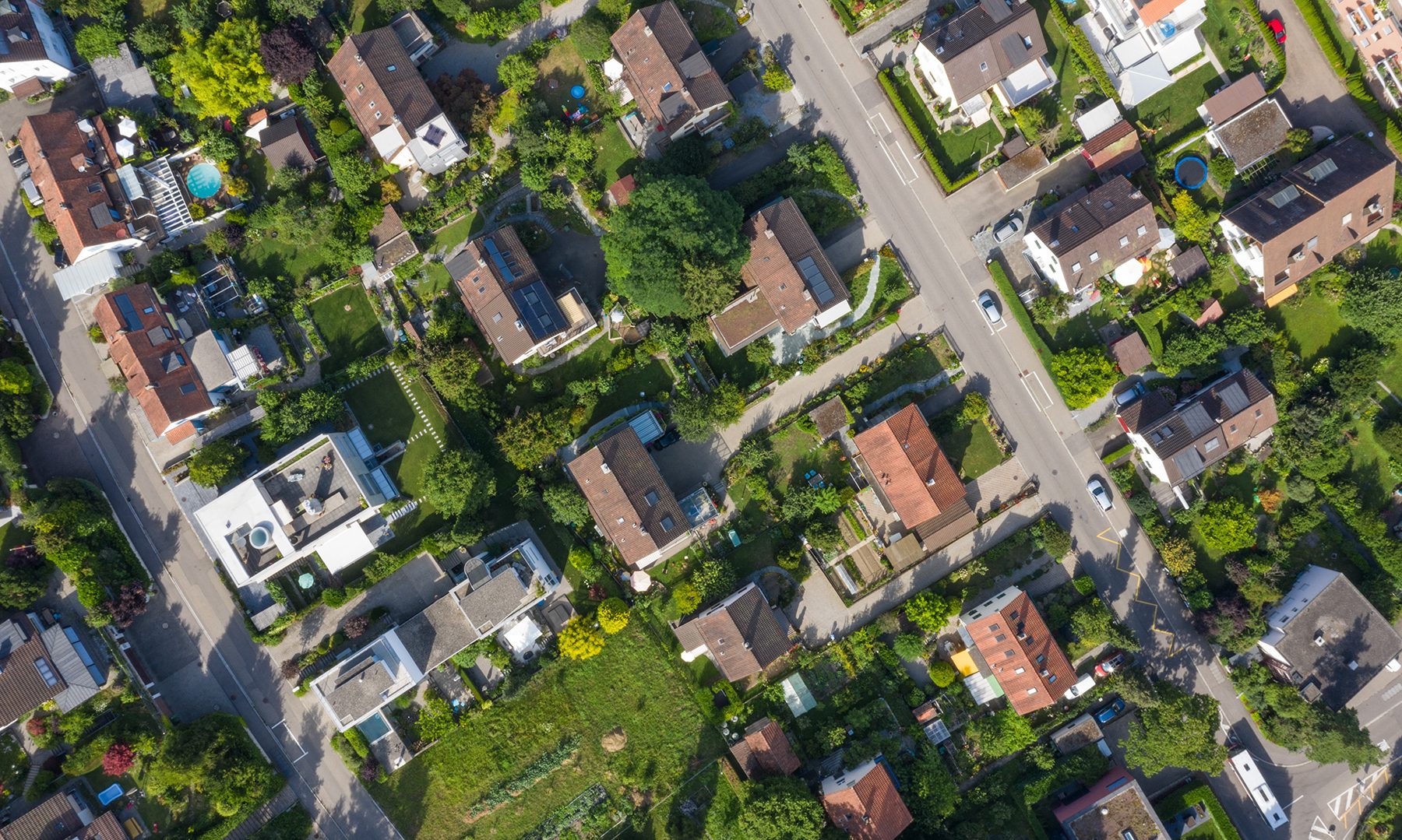
A serious health risk could be hiding beneath your home, and you may have no way of sensing it. Radon is an odorless, tasteless and invisible radioactive gas that travels up from the ground beneath your foundation into your living space without warning. Finding out your home has elevated radon can be unsettling. Confusion about…
-
Why Annual Radon System Inspections Are Critical
Radon is an invisible, odorless gas that can quietly accumulate to dangerous levels without regular oversight. Because it can easily enter structures, annual inspections are vital to confirm that your mitigation system works correctly to keep occupants safe — especially if your property has recently undergone renovations, HVAC upgrades, home renovations, or structural changes that…
-
How Radon Enters Your Home
Radon is a household concern that often goes unnoticed, even in homes that appear perfectly safe. This naturally occurring radioactive gas is present in approximately one in every 15 homes across the U.S. What makes radon particularly concerning is that it doesn’t come from manmade pollution like factory emissions or industrial accidents. Instead, it forms deep underground…
-
Things Every Homeowner Should Know About the Importance of Radon Mitigation
Radon is an odorless, colorless gas and is the leading cause of lung cancer in nonsmokers nationwide. This radioactive gas forms naturally through the breakdown of uranium in the soil, which means there is no escaping it. Outside, radon levels average 0.4 pCi/L, a level considered harmless. However, in homes, it can quickly rise to hazardous levels….
-
Buying or Selling a Home? Don’t Skip the Radon Test
Real estate transactions can be overwhelming. There are appraisals, home inspections and the race to close. With the long checklists and rush to the finish line, it’s easy to forget to test your home for radon. Radon testing isn’t just another home inspection task to cross off your checklist. It is essential to ensure that…
-
Why You Should Purchase a New Construction Home with a Radon System Already Installed
Buying a new construction home is one of the most exciting—and important—investments you’ll ever make. You get to enjoy modern layouts, energy efficiency, and fewer maintenance headaches… but have you considered what’s happening underneath your brand-new foundation? One of the smartest upgrades in any new home is something you can’t see, but that can have…