
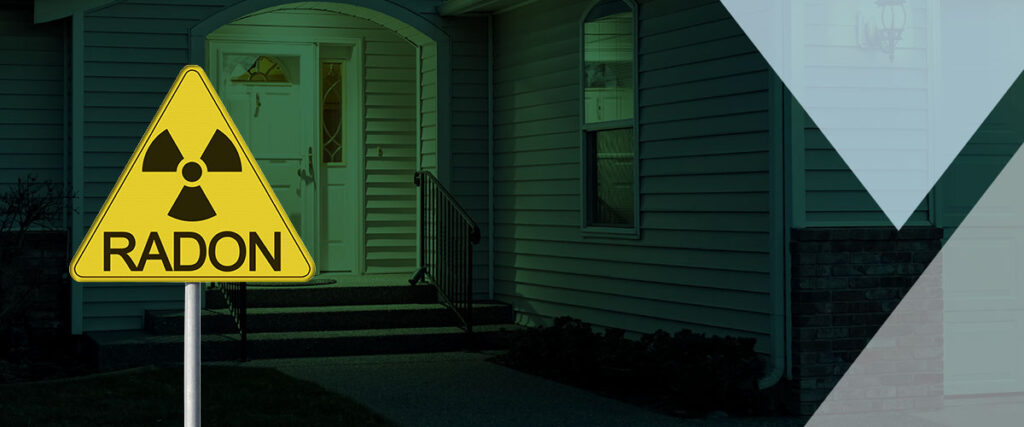
Radon is an invisible, odorless gas that can quietly accumulate to dangerous levels without regular oversight. Because it can easily enter structures, annual inspections are vital to confirm that your mitigation system works correctly to keep occupants safe — especially if your property has recently undergone renovations, HVAC upgrades, home renovations, or structural changes that can alter airflow patterns and impact system performance.
Learn how these checkups proactively protect your property, maintain compliance and ensure long‑term health and safety for everyone inside.
The Dangers of Radon
Radon is a naturally occurring radioactive gas that moves into buildings and homes through cracks, gaps and openings in the foundation. While it disperses harmlessly outdoors, it can concentrate indoors, particularly in basements, crawl spaces and ground‑level rooms. Because radon levels change over time in response to fluctuating weather, soil conditions and ventilation patterns, ongoing monitoring is the only way to understand how radon behaves in your specific building.
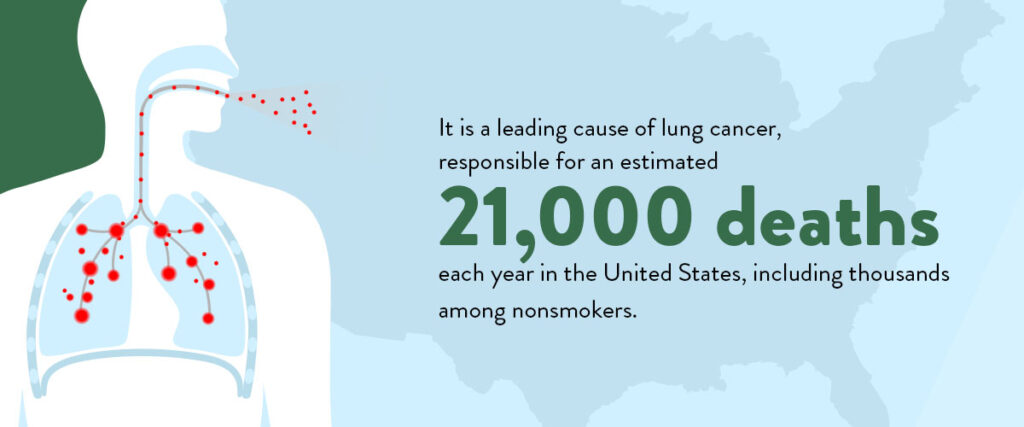
Long‑term radon exposure is highly hazardous. It is a leading cause of lung cancer, responsible for an estimated 21,000 deaths each year in the United States, including thousands among nonsmokers. For smokers, the combined effects of tobacco and radon exposure significantly increase the risk.
You should understand how radon behaves and how easily it can accumulate without proper mitigation to protect your property and the people inside it.
The Long-Term Risk of High Radon Levels
Everyone on your property is in danger if you allow radon to build up indoors. You may notice side effects like these:
- Shortness of breath
- Cough that doesn’t go away
- Wheezing
- Chest pain
- Coughing up blood
- Headache
- Weight and appetite loss
- Bone pain
- Fatigue
- Respiratory issues
- Hoarseness
Your chances of experiencing these symptoms will increase if you are a current or former smoker. However, you can avoid potential health complications by installing a mitigation system and conducting a radon test every 2 years.
Why Annual Inspections Matter
Because it’s your primary safeguard against health complications, your radon mitigation system needs annual inspections to confirm it operates at peak performance.
Here’s why annual inspections are valuable for long‑term protection.
- Check system performance: Annual inspections will give you the confidence that every moving part works as well as it did when it was brand-new.
- Maintain state/local compliance: Many state laws and organizations like the American Association of Radon Scientists and Technologists (AARST) and Indoor Environments Association (IEA) — with whom we are a proud affiliate — require long-term maintenance of radon mitigation systems in multifamily housing, commercial buildings, schools and mixed-use buildings.
- Protect your occupants’ health: Whether you live in a single-family home, multifamily housing or rent to a business tenant, you can proactively preserve people’s well-being with annual inspections.
- Avoid maintenance or failure fees: A preventive approach is the best way to save money. Annual inspections identify minor concerns before they escalate into extensive repairs.
How Often Should You Test for Radon?
Many property owners don’t know how frequently they should test for radon or how long the process takes. While the EPA recommends testing at least every two years, the recommendation is at a minimum. We’ve found homeowners often feel greater peace of mind when testing each year. When using a DIY kit, you can choose a short‑term test that measures levels for up to 90 days or a long‑term ra
How We Conduct Annual Radon System Inspections
Once you’ve booked your annual inspection, our team of certified technicians at SWAT Environmental will assess your entire system.
- Visual check: A thorough visual assessment can identify potential issues such as rust or corrosion, which might initially go unnoticed but lead to significant problems later.
- Fans, pipe, vents and seal integrity: Over time, components like motors and fans can lose efficiency and begin failing. During annual inspections, a technician can check the integrity of these parts to verify they perform at peak levels.
- Manometer accuracy: Every radon system has a manometer, an instrument that measures pressure changes and determines whether your system vents properly. Irregular readings may indicate the need to clean or replace the manometer or other parts of your system.
- Optional radon retesting: If it’s been a while since your last radon test, we may recommend using our free DIY test kit to confirm your mitigation efforts work as intended.
- Recommendations for upgrades or repairs: We may recommend an upgrade or repair if anything stands out as an issue.
Who Needs an Annual or Periodic Radon Inspection?
If you’re unsure whether your property needs a radon inspection, these buildings are often subject to state or local requirements for annual or periodic testing:
- Multifamily apartments and condos
- Retail and commercial properties
- Office buildings
- Mixed-used buildings
- Assisted living facilities
- Housing authorities or HUD-funded properties
- Child care facilities
- Schools and educational institutions

Keep Your Property Safe With SWAT Environmental
Radon may be invisible, but your efforts to protect your employees, customers and tenants don’t have to be. Annual inspections by a qualified technician are the best way to ensure your mitigation system continues to operate at peak performance year after year. These checkups give you confidence that radon levels remain within acceptable levels and unaffected by weather changes, aging components or building updates.
There’s no such thing as being too proactive about your long‑term safety. Reach out to us at SWAT Environmental to request a quote, or call 833‑368‑5958 to speak with a specialist.