Radon-related lung cancer is responsible for about 21,000 deaths in the United States each year. This colorless, odorless gas quietly seeps into homes and workplaces, putting people at risk without warning. During Lung Cancer Action Week — typically the second week of May — raising awareness about radon and its health dangers becomes even more important.
The good news? Radon exposure is manageable. Testing your home and taking action to reduce radon levels can significantly reduce the risk of lung cancer. Learn how radon and lung cancer are connected and discover the steps you can take to protect your home or property.
The Silent Threat of Radon
Radon is a radioactive gas that naturally forms when uranium in soil and rock breaks down over time. You can’t see it, smell it or taste it, which makes it especially dangerous. Because radon is invisible, many homeowners don’t realize they’re being exposed to harmful levels until they test for it.
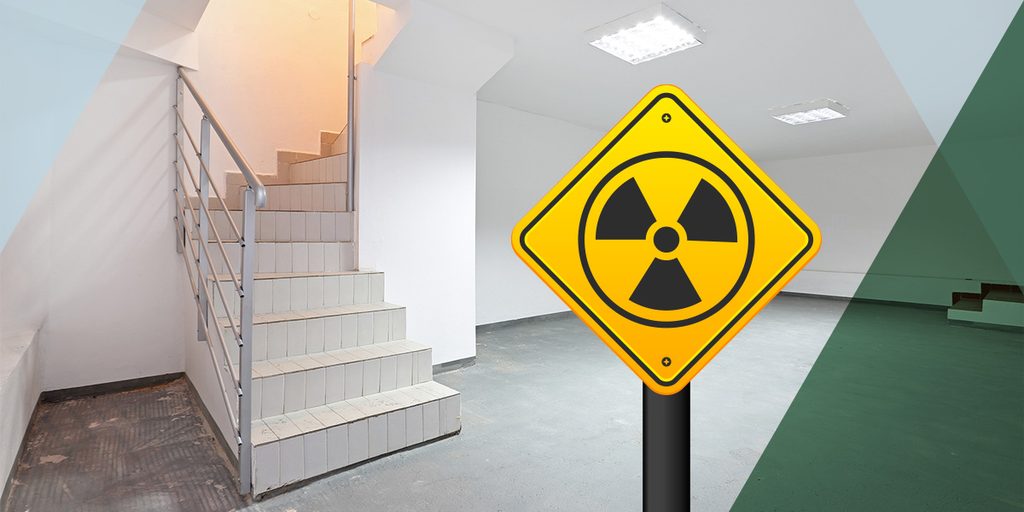
This gas doesn’t stay in the ground. Radon can enter homes through cracks in floors, gaps in walls, openings around pipes and tiny spaces in foundations. Once inside, it gets trapped and builds up to levels that can harm your health. Basements and lower levels face the highest risk because they’re closest to the source.
When radon is inhaled, radioactive particles gather in the lungs over time, damaging the lung tissue and potentially leading to cancer. The risk increases with higher radon levels and longer exposure. This reality is even more alarming when considering that radon is the leading cause of lung cancer among nonsmokers. If you smoke and are exposed to radon, your risk becomes much higher.
What Is Lung Cancer Action Week?
Lung Cancer Action Week serves as an important reminder to address preventable lung cancer risks like radon exposure and take steps to protect your health. Radon isn’t a one-time concern you can ignore after a single test. It requires ongoing attention. Radon levels can change over time due to shifting soil conditions, home renovations and seasonal changes.
The Goals of Lung Cancer Action Week
Lung Cancer Action Week is an event hosted by the American Lung Association’s LUNG FORCE initiative. The week is dedicated to raising awareness about lung cancer prevention, early detection and the risk factors that contribute to this disease. One of the most effective lung cancer prevention methods is identifying and reducing radon exposure in your home.
While many people associate lung cancer primarily with smoking, radon exposure is a significant and often overlooked threat. By encouraging testing and awareness during Lung Cancer Action Week, health advocates aim to reduce radon-related lung cancer deaths and create safer indoor spaces for everyone.
The Importance of Radon Testing
Testing is the only reliable way to know if your home has dangerous radon levels. Without a test, you’re simply guessing about your safety.
The numbers are eye-opening. An estimated 1 in 15 U.S. homes has high radon levels, putting millions of families at risk without their knowledge. However, SWAT Environmental’s area of operations includes neighborhoods where levels are at an even more alarming rate of 1 in 3 homes.
When to Prioritize Radon Testing
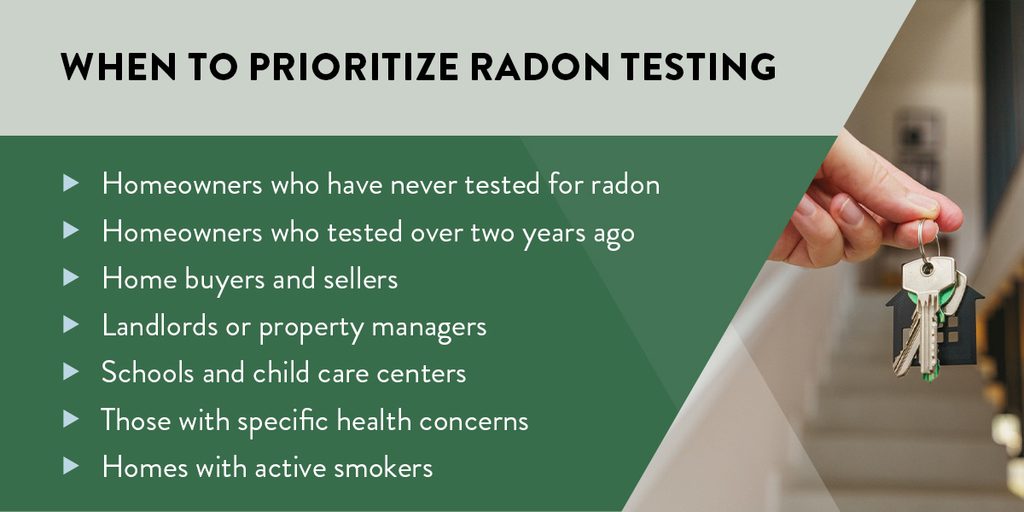
Certain groups should make radon testing a top priority:
- Homeowners who have never tested for radon: If you’ve never tested your home, now’s the time. You can’t assume your home is safe based on your neighbors’ results because radon levels vary significantly from house to house.
- Homeowners who tested over two years ago: The Environmental Protection Agency (EPA) suggests testing for radon at least once every two years, even if you have a mitigation system.
- Home buyers and sellers: Testing before a home sale protects both parties and prevents delays during closing.
- Landlords or property managers: If you own rental properties, testing ensures you’re providing a safe living space for your tenants.
- Schools and child care centers: Children spend significant time in these buildings, making testing essential for their long-term health.
- Those with specific health concerns: If lung cancer runs in your family or you have respiratory concerns, reducing radon exposure becomes even more important.
- Homes with active smokers: Smokers are 10 times more at risk of radon-related health complications, such as lung cancer.
How to Test for and Mitigate Radon
Learning how to test for radon and what to do if levels are high can help you protect your health. Here’s what you need to know:
- Radon testing options: You have two main testing options. Short-term tests take two to seven days and give you a quick snapshot of radon levels in your home. Long-term tests run for 90 days or more and give you a better picture of your average radon exposure throughout different seasons.
- Understanding your test results: Test results are measured in picocuries per liter (pCi/L). The EPA recommends taking action if your radon level is 4.0 pCi/L or higher. At this level, your long-term health risk becomes significant.
- Finding a certified radon mitigation professional: If your test results show high radon levels, don’t panic — just take immediate action. Hiring a professional ensures the job is done right the first time. Certified technicians have the training and experience to design and install systems that reduce radon to safe levels.
SWAT Environmental – National Radon Action Month
Your Partner in Radon Safety
Professional radon mitigation makes all the difference in protecting your home and your health. Once you’ve identified a radon problem, working with experienced professionals ensures you get lasting results and peace of mind.
Our Commitment to Quality and Safety
SWAT Environmental has been protecting families and workplaces from radon exposure since 1988. Our technicians hold certifications from the American Association of Radon Scientists and Technologists, the Indoor Environments Association, the National Radon Proficiency Program, and the National Radon Safety Board, as well as various state-required licenses, meeting the highest industry standards for radon work.
When we install a radon mitigation system in your home, you can trust it will work well for years to come. Our systems need very little maintenance once installed, giving you long-term protection without ongoing hassle or expense.
Our Certified Radon Mitigation Services
Whether you’re a homeowner concerned about your family’s health, a real estate agent working to close a deal or a property manager responsible for commercial buildings, we have the expertise to help.
Our systems can reduce radon levels by up to 99%, bringing dangerous levels down and dramatically reducing your lung cancer risk. Each system ensures the best results and little disruption to your daily life.
Protect Your Health Today
Radon testing and mitigation are essential steps in protecting your health and the health of your loved ones. You can’t see or smell radon, but you can take action to remove it from your home or property.
Request a free radon test kit from SWAT Environmental today. If you have high levels of radon in your home, call 1-800-NO-RADON today to get a free quote for radon mitigation. We’re committed to protecting you and your family.