
Many homeowners assume that installing a passive radon system fully protects their home. In reality, that’s not the case. As radon is invisible, odorless and tasteless, you still need to test for radon — even if you have a passive system already in place.
Passive systems are a good starting point, but they rarely keep radon at safe levels on their own. That’s why activating your system is the next logical step. Since the base system is already there, the process is often faster and easier than you might expect.
How Do Passive Radon Systems Work?
A passive radon system uses a vent pipe to move radon from beneath the foundation to the outside of the home. Builders often install passive systems to meet building code requirements, which is crucial for areas with high radon levels. Programs like the EPA’s Indoor AirPlus Program encourage these features for healthier home environments.
A standard passive radon system design includes:
- A vent pipe that runs from beneath the foundation to above the roof
- A layer beneath the slab that allows soil gases to move more freely
- Sealed openings in the foundation to help limit radon entry
Why Your Passive Radon System Isn’t Enough
Passive systems rely on natural airflow to pull radon gas out of the home. The problem is that natural airflow can change day to day and season to season. Several factors can affect how well a passive system performs, including:
- Cold weather and seasonal temperature shifts
- Windy or stormy weather outside the home
- Changes in air pressure inside the house
- Heating and cooling systems moving air through the home
- Any home renovation projects, modifications or enhancements to your foundation
Passive systems don’t always achieve consistent radon reduction. As a result, homes built with passive radon systems should undergo post-construction radon testing. If testing shows results above the recommended action level of 4 picocuries per liter (pCi/L), the EPA recommends activating the system.
Overall, passive systems are a great foundation, but upgrading to an active system is often the more reliable long-term solution.
Benefits of Upgrading to an Active Radon System
Upgrading from a passive radon system to an active system can provide stronger, more dependable protection. While passive systems rely on airflow, active systems continuously move radon gas away from the home via a fan specifically manufactured to reduce radon levels.
More Reliable Radon Reduction
One of the biggest advantages of an active system is consistency. According to the EPA, reduction systems can reduce radon levels by up to 99%, even in homes with high readings. Further research shows that active systems are more than twice as likely to lower radon levels than passive systems.
Greater Peace of Mind for Homeowners
Active systems provide consistent radon reduction year-round, working 24/7, 365 days a year. With radon being the second-highest cause of lung cancer deaths in the U.S. — only second to smoking — ensuring your home’s radon levels are under control is essential for protecting your family’s health. With an active system in place, you have peace of mind that your home is safe from radon, no matter the season.
A Smart Upgrade for Long-Term Home Value
If you plan to sell your home, an active radon system can give potential buyers added confidence. Radon testing is common during real estate transactions, so having an active mitigation system in place can reassure buyers and, in some cases, boost your home’s value.
Who Should Consider Upgrading?
If your home was built within the last 20 years, it’s likely to have a passive radon system. But even new homes aren’t immune to elevated radon levels. Any homeowner who has never tested their radon levels, or who still sees readings near or above the EPA’s action threshold, should consider upgrading for maximum safety.
Converting Your Passive Radon System to Active
Switching from a passive radon reduction system to an active one is surprisingly straightforward. Working with an expert radon system installer ensures the process is quick, easy, and, most importantly, safe.
How It Works
A certified radon technician will install a small fan into your existing pipe vent. Then, they’ll wire the fan to an electrical source for constant operation. This fan draws radon gas from beneath your foundation and vents it safely above your roofline, preventing radon buildup. Once the wiring is complete, a technician will install a pressure gauge to help you monitor the system’s operation.
Time Considerations
Activating a passive system is quick. Since the original system is already in place, professionals can typically complete the upgrade in around 30 minutes, compared to several hours for a new full-system installation.
Cost Considerations
Converting a passive radon system to an active system costs less than installing new infrastructure. With less labor and fewer changes inside the home, homeowners can upgrade their systems quickly and affordably.
What to Expect During and After Your Upgrade
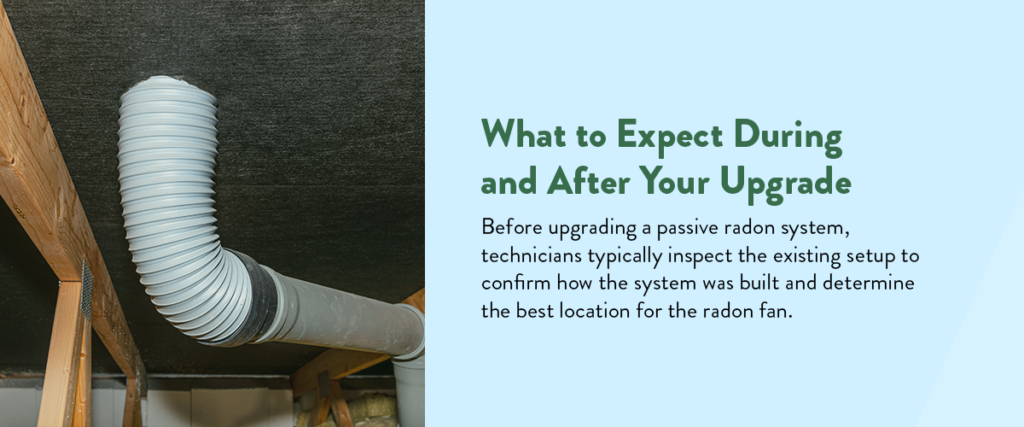
Before upgrading a passive radon system, technicians typically inspect the existing setup to confirm how the system was built and determine the best location for the radon fan.
On installation day, technicians may need access to basements, attics and crawl spaces to reach the vent. While on-site, they can also walk homeowners through the upgrade process and explain how the activated system will work.
Frequently Asked Questions About Upgrading Passive Radon Systems
Homeowners often have questions about how passive and active radon systems compare.
What Is the Difference Between a Passive Radon System vs. an Active System?
A passive system relies on natural airflow. An active system adds a fan that continuously pulls radon gas away from the foundation.
How Do I Know if My Home Has a Passive or Active Radon System?
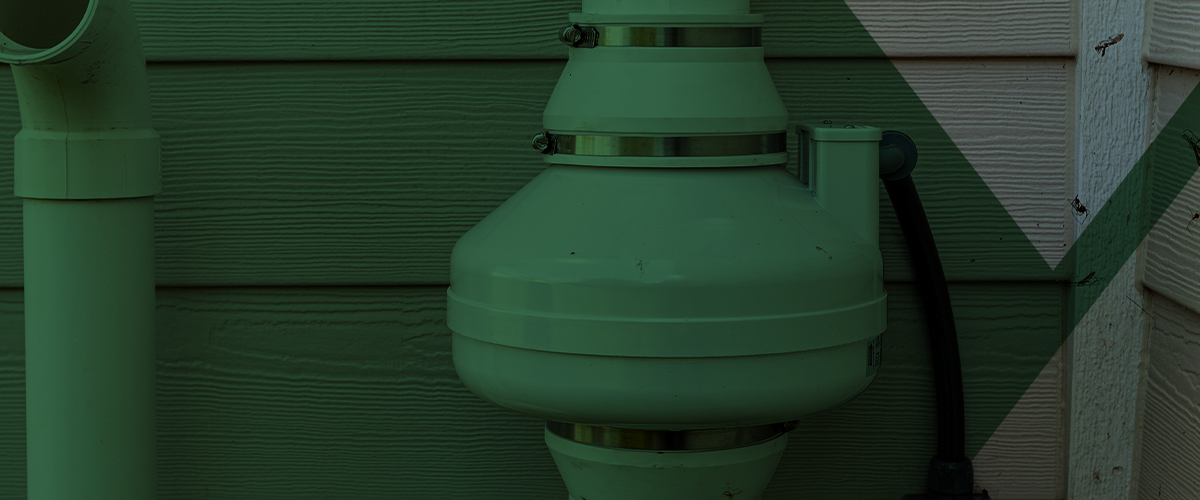
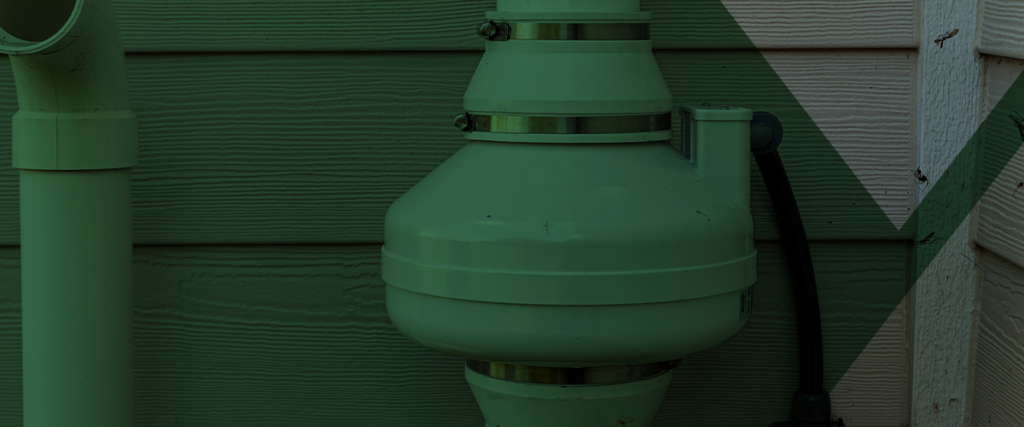
Passive systems usually have a vent pipe but no fan. An active radon system, meanwhile, has a fan attached to the PVC pipe. A radon professional can inspect your setup if you’re unsure which type of system is in place.
Does Activating a Passive Radon System Increase Energy Costs?
Radon fans operate continuously but efficiently. For many homeowners, the additional energy cost is relatively low when compared to other common household appliances.
Are Active Radon Systems Noisy?
Professionally installed radon fans operate quietly and are strategically placed to help minimize indoor noise levels.
Upgrade Your Radon System Today
Upgrading from a passive to an active radon system is easier than you might think, and it could make all the difference in keeping your home safe.
At SWAT Environmental, our certified technicians have decades of experience in installing, upgrading and maintaining radon systems across the country. From quick fan installations to ground-up active system creation, we ensure that your home is protected from radon with minimal disruption.
Reach out to our team to schedule your radon system upgrade, or call us at 1-800-NO-RADON for more information.